
About Periodontics
What is Periodontal Disease?
Periodontal disease, also known as gum disease, is an inflammatory condition that can cause changes to your gums, bone and even cause accelerated tooth loss.
Often times, it is asymptomatic, but you may notice changes in your mouth as gum disease progresses:
- Red, swollen, or tender gums or other pain in your mouth
- Bleeding while brushing, flossing, or eating hard food
- Receding gums
- Loose teeth
- Sores in your mouth
- Persistent bad breath
- A change in the way your teeth fit together when you bite
- A change in the fit of partial dentures

About Periodontics
Gum Disease Types
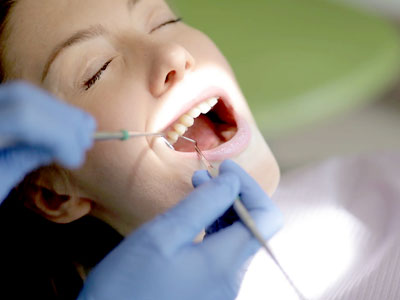
Gingivitis
Gingivitis is the first stage of gum disease. When plaque and bacteria build up on teeth, your gums may become red, tender, inflamed and may bleed easily. Gingivitis is reversible.
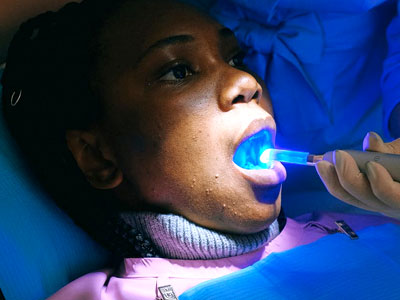
Periodontitis
When untreated, gingivitis can progress to periodontitis. With time, plaque can spread and grow below the gum line. Toxins produced by the bacteria in plaque irritate the gums and stimulate a chronic inflammatory response, and the tissues and bone that support the teeth are broken down and destroyed. Gums separate from the teeth, forming pockets between the teeth and gums that can become infected. As the disease progresses, the pockets deepen and more gum tissue and bone are destroyed. Eventually, teeth can become loose and may need to be removed.
In addition to damaging teeth and gums, periodontal disease can contribute to a compromised immune system, heart disease, respiratory conditions, osteoporosis, diabetes.
When to see a Periodontist?
Your dental team may refer you to a periodontist who has the skills, knowledge and experience to provide you with the type of periodontal treatment or implant procedure you need.
You do not need a referral to see a periodontist. We encourage you to schedule a consultation if you are experiencing any of the following:
- Bleeding, swollen or receding gums
- Sensitivity
- Loose teeth
- Discomfort in your gums
- Related health concerns (e.g. heart disease, diabetes, osteoporosis)
- Missing teeth for which you are interested in replacing with dental implants
- Gummy smile
Call Today
(416) 439-4766